
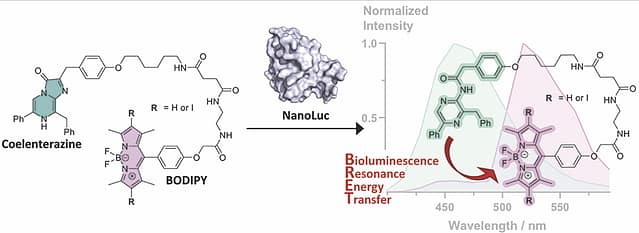
| BODIPY-coelenterazine conjugates as self-illuminating substrates for NanoLuc |
 |
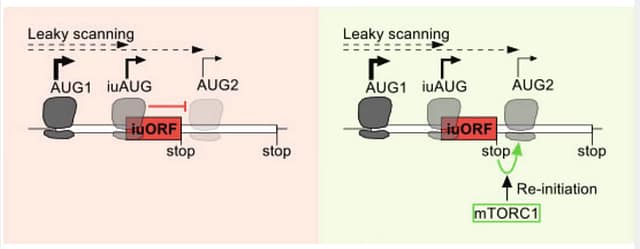
| Short internal open reading frames repress the translation of N-terminally truncated proteoforms EMBO Rep. 2025, 26, 1566-1589 |
 |
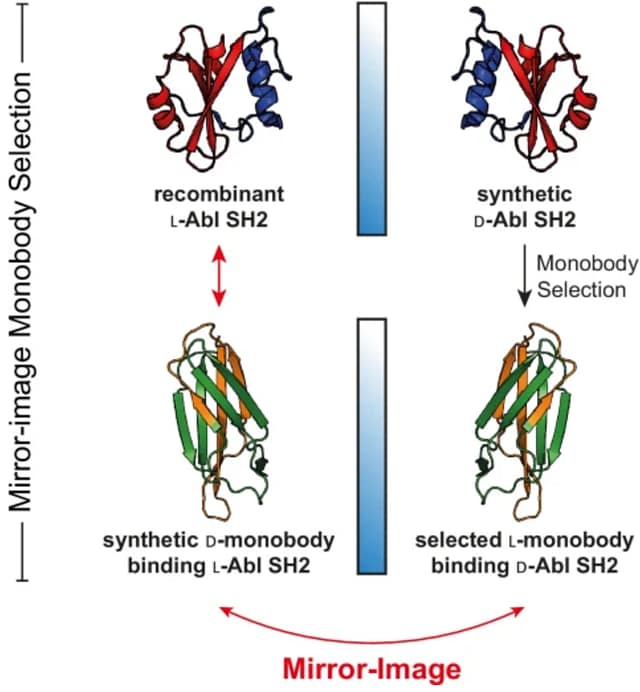
| Development of mirror-image monobodies targeting the oncogenic BCR::ABL1 kinase Highlighted in the cover page of Marburg University https://www.uni-marburg.de/de/aktuelles/news/2025/spiegelverkehrte-proteine |  |
 | |
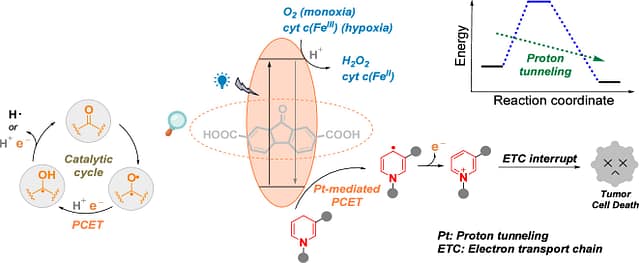
| Proton tunneling allows a proton-coupled electron transfer process in the cancer cell |
 |
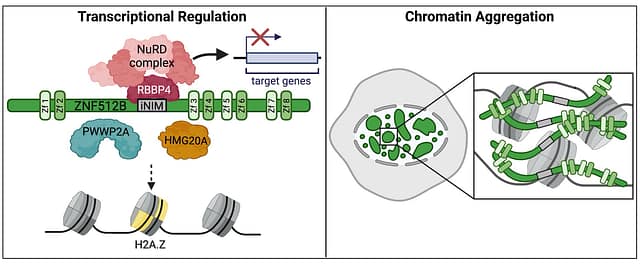
| ZNF512B binds RBBP4 via a variant NuRD interaction motif and aggregates chromatin in a NuRD complex-independent manner |
 |
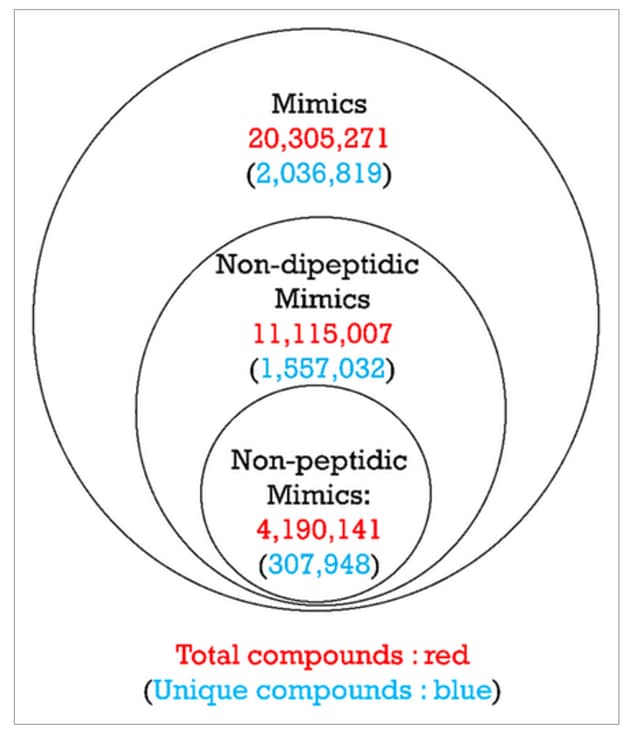
| A virtual library of small molecules mimicking dipeptides |
 |
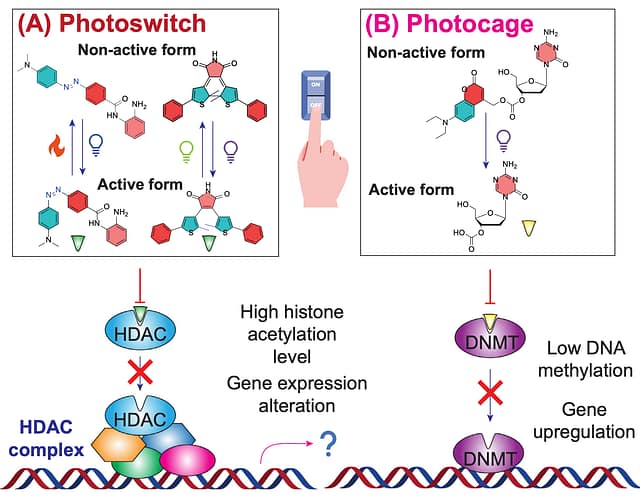
| Enlightening epigenetics: optochemical tools illuminate the path |
 |
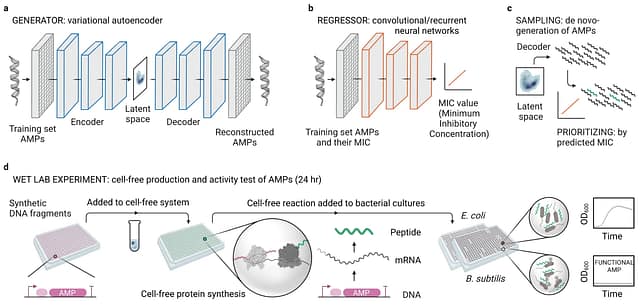
| Cell-free biosynthesis combined with deep learning accelerates de novo-development of antimicrobial peptides |
 |
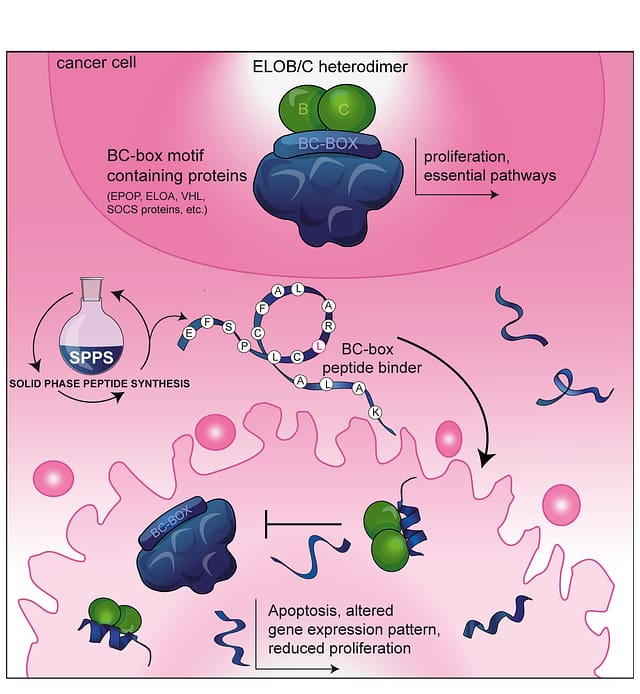
| Peptide-mediated inhibition of the transcriptional regulator Elongin BC induces apoptosis in cancer cells Reported in:
|
 |
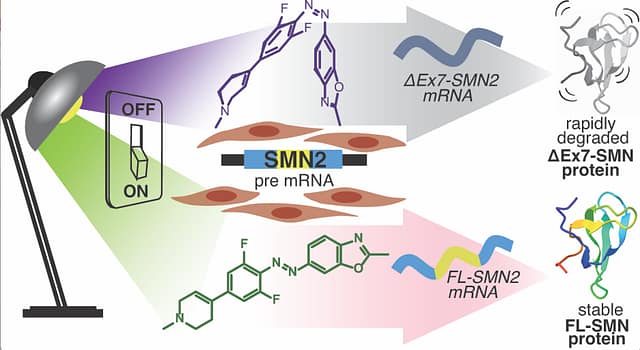
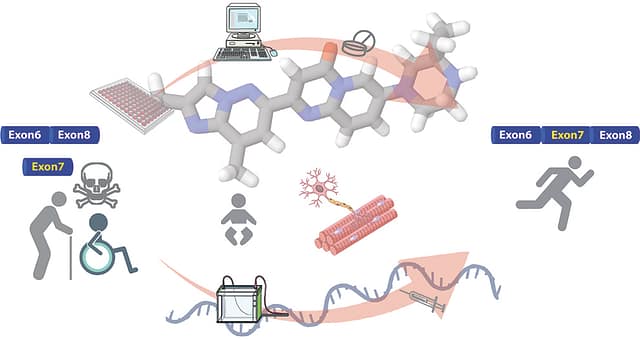
| Reversible Control of RNA Splicing by Photoswitchable Small Molecules |
 |
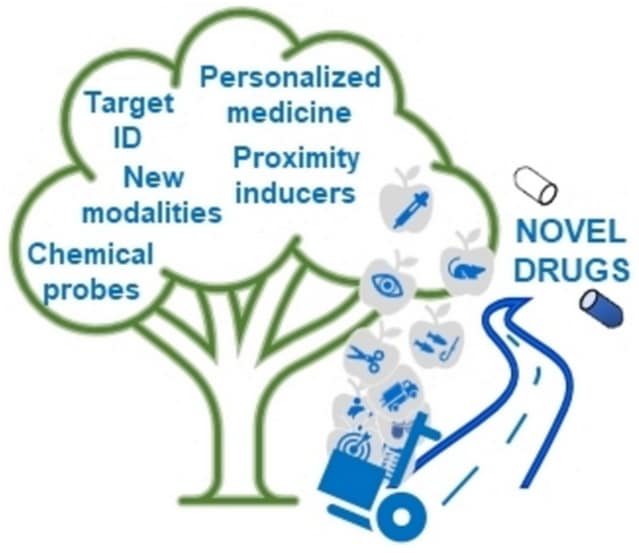
| EFMC: Trends in Medicinal Chemistry and Chemical Biology |
 |
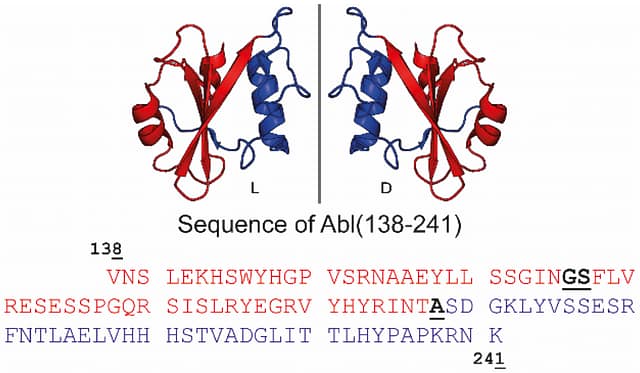
| Synthesis of the L- and D-SH2 domain of the leukaemia oncogene Bcr-Abl |
 |
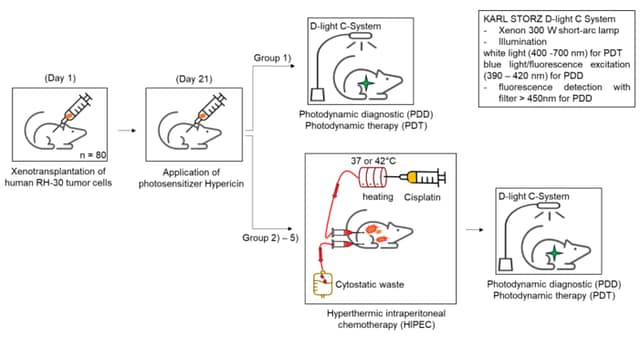
| Increasing the efficiency of hyperthermic intraperitoneal chemotherapy (HIPEC) by a combination with a photosensitive drug in pediatric rhabdomyosarcoma Pediatr. Blood Cancer, 2022, 11, e29864 |
 |
| A chemical biology perspective to therapeutic regulation of RNA splicing in spinal muscular atrophy (SMA) |
 |
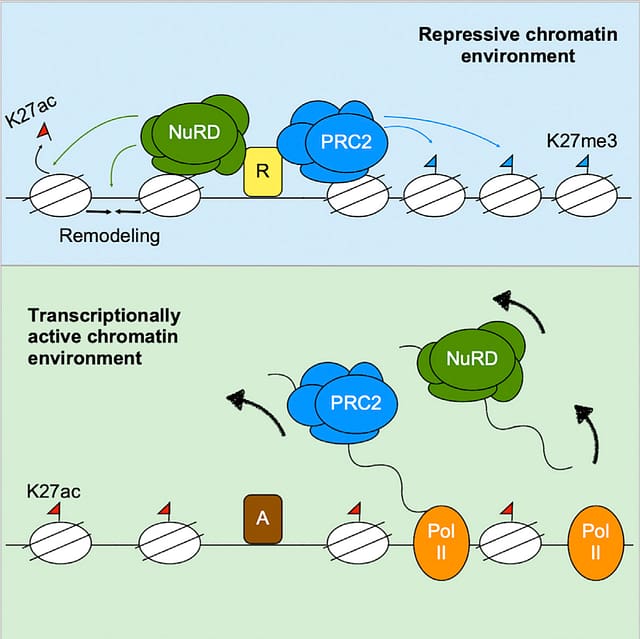
| RNA inhibits dMi-2/CHD4 chromatin binding and nucleosome remodeling and nucleosome remodeling |
 |
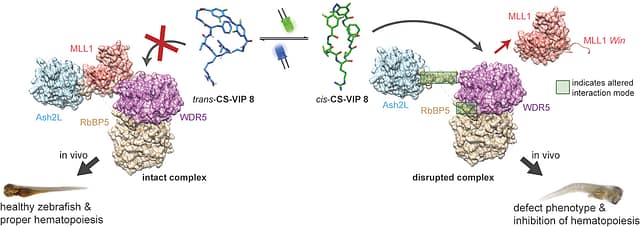
| Bistable photoswitch allows in vivo control of hematopoiesis |
 |
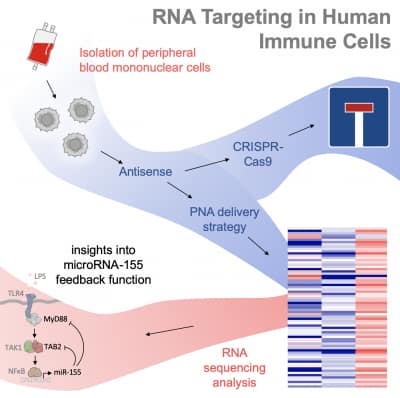
| Efficient antisense inhibition reveals microRNA-155 to restrain a latemyeloid inflammatory programme in primary human phagocytes |
 |
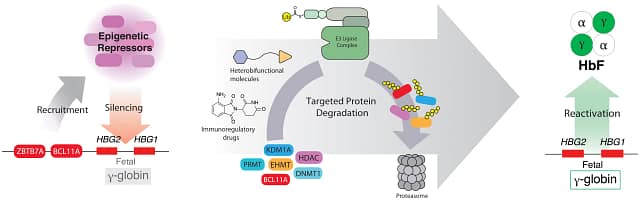
| Targeted protein degradation as a promising tool for epigenetic upregulation of fetal hemoglobin Contribution to the Special Chemical Epigenetics Themed Issue in ChemMedChem | 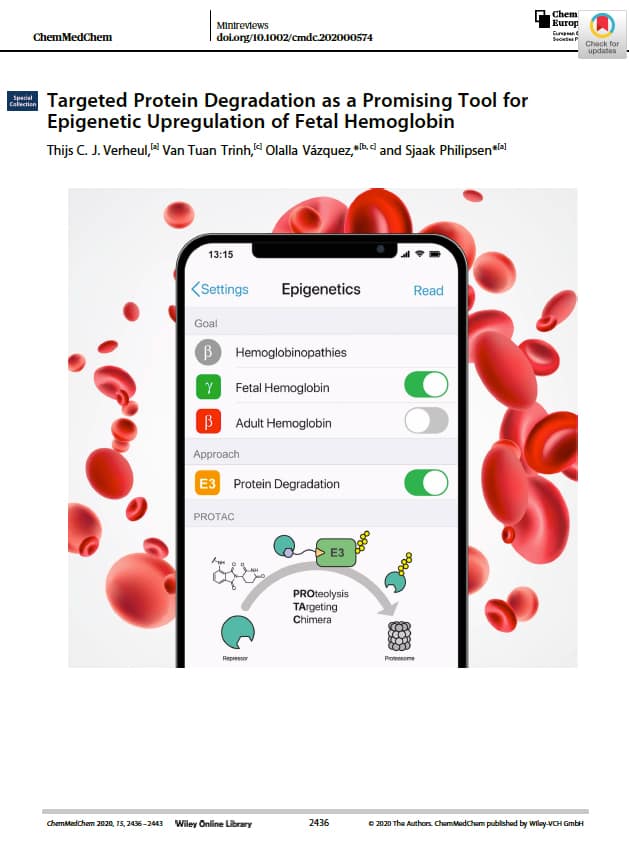 |
 | |
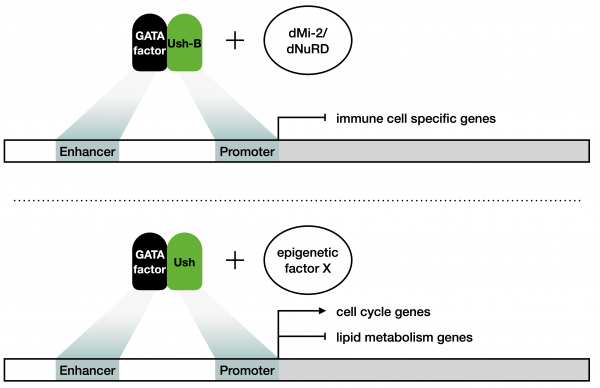
| Ush-regulates hemocyte-specific gene expression, fatty acid metabolism and cell cycle progression and cooperates with dNuRD to orchestrate hematopoiesis |
 |
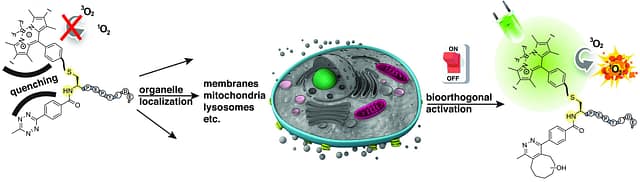
| Bioorthogonal turn-on BODIPY-peptide photosensitizers for tailored photodynamic therapy Contribution to the Special Young Chemists 2020 Themed Issue in Chemistry-A European Journal |
 |
| Spicing up an interdisciplinary chemical biology course with the authentic big picture of epigenetic research ACS Editor’s Choice |
 |
| 4-Methyltrityl-protected pyrrole and imidazole building blocks for solid phase synthesis of DNA-binding polyamides |
 |
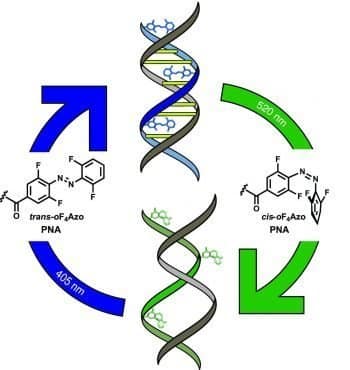
| In search of visible-light photoresponsive peptide nucleic acids (PNAs) for reversible control of DNA hybridization Contribution to the Special Molecular Switches Themed Issue in Beilstein Journal of Organic Chemistry |
 |
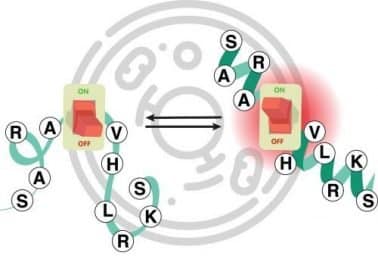
| Photoswitchable peptides for spatiotemporal control of biological functions Contribution to the Special Emerging Investigators Themed Issue in Chemical Communications |
 |
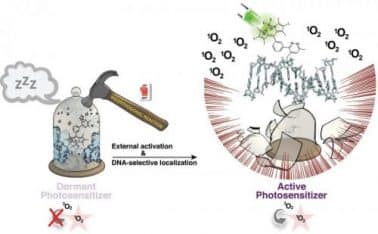
| Conditional singlet oxygen generation via DNA-targeted tetrazine bioorthogonal reaction Highlight as a Hot Paper Reported in local press (Oberhessische Presse, 16.09.2019) Marburg University (09.09.2019) |  |
 | |
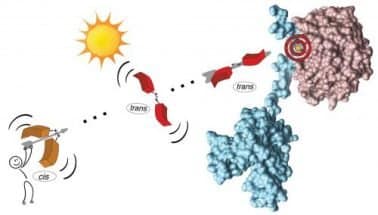
| Modulating protein-protein interactions with visible-light responsive peptide backbone photoswitches Contribution to the Special ChemBioTalents Themed Issue in ChemBioChem 2019 top downloaded ChemBioChem papers |  |
 | |
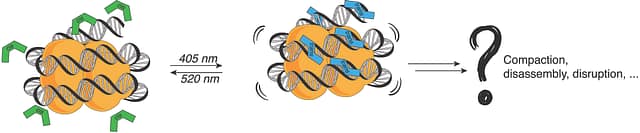
| ortho-Fluoroazobenzene derivatives as DNA intercalators for photocontrol of DNA and nucleosome binding by visible light Contribution to the Special New Talent Themed Issue in Organic & Biomolecular Chemistry |
 |
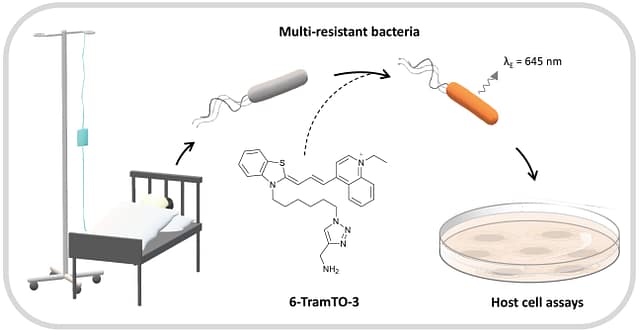
| A Far-red fluorescent DNA binder for interaction studies of live multidrug-resistant pathogens and host cells |
 |
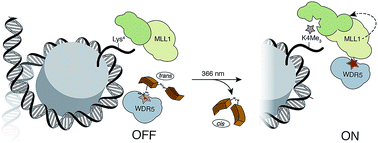
| Controlled inhibition of methyltransferases using photoswitchable peptidomimetics: towards an epigenetic regulation of leukemia |
 |
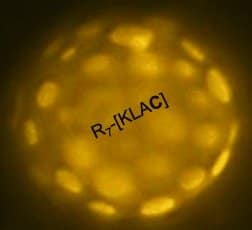
| Potential of proapoptotic peptides to induce formation of giant plasma membrane vesicles with lipide domains |
 |
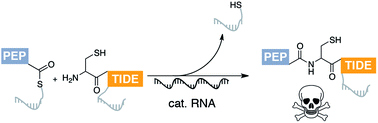
| Cytotoxic peptide-PNA conjugates by RNA-programmed peptidyl transfer with turnover |
 |
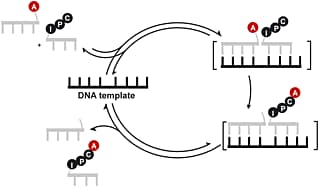
| Templated native chemical ligation: peptide chemistry beyond protein synthesis |
 |
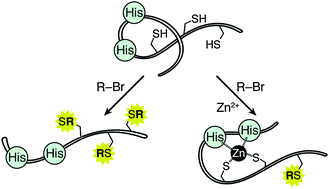
| The ββα fold of zinc finger proteins as a “natural” protecting group. Chemoselective synthesis of a DNA-binding zinc finger derivative |
 |
| Sequence-selective DNA recognition with peptide-bisbenzamidine conjugates |
 |
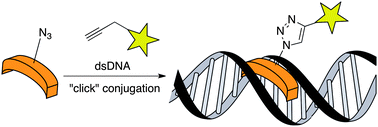
| Straightforward access to bisbenzamidine DNA binders and their use as versatile adaptors for DNA-promoted processes |
 |
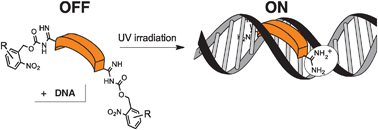
| Light-controlled DNA binding of bisbenzamidines |
 |
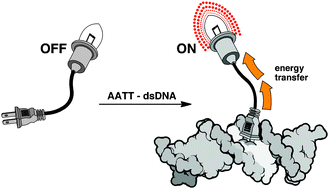
| dsDNA-triggered energy transfer and lanthanide sensitization processes |
 |
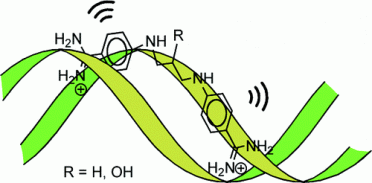
| Bis-4-aminobenzamidines: versatile, fluorogenic A/T selective dsDNA binders |
 |
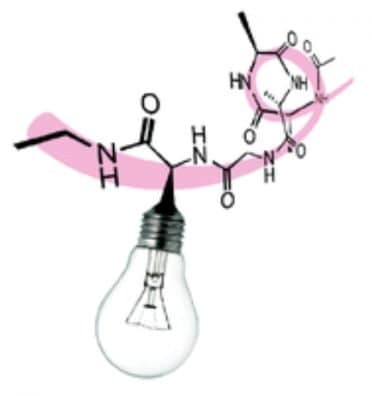
| Peptide-based fluorescent biosensors. |
 |
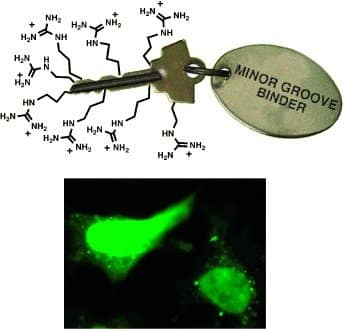
| Efficient DNA binding and nuclear uptake by distamycin derivates conjugated to octa-arginine sequences |
 |
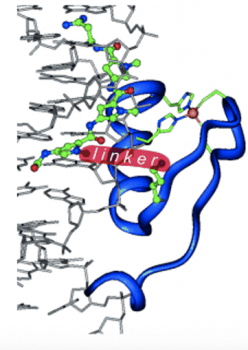
| Specific DNA recognition by a synthetic, monomeric Cys2His2 zinc finger peptide conjugated to a minor groove binder |
 |
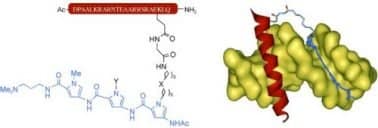
| High affinity, sequence specific DNA-binding by synthetic tripyrrole-peptide conjugates |
 |
| Structure of the ATP-driven methyl-coenzyme M reductase activation complex |
| |